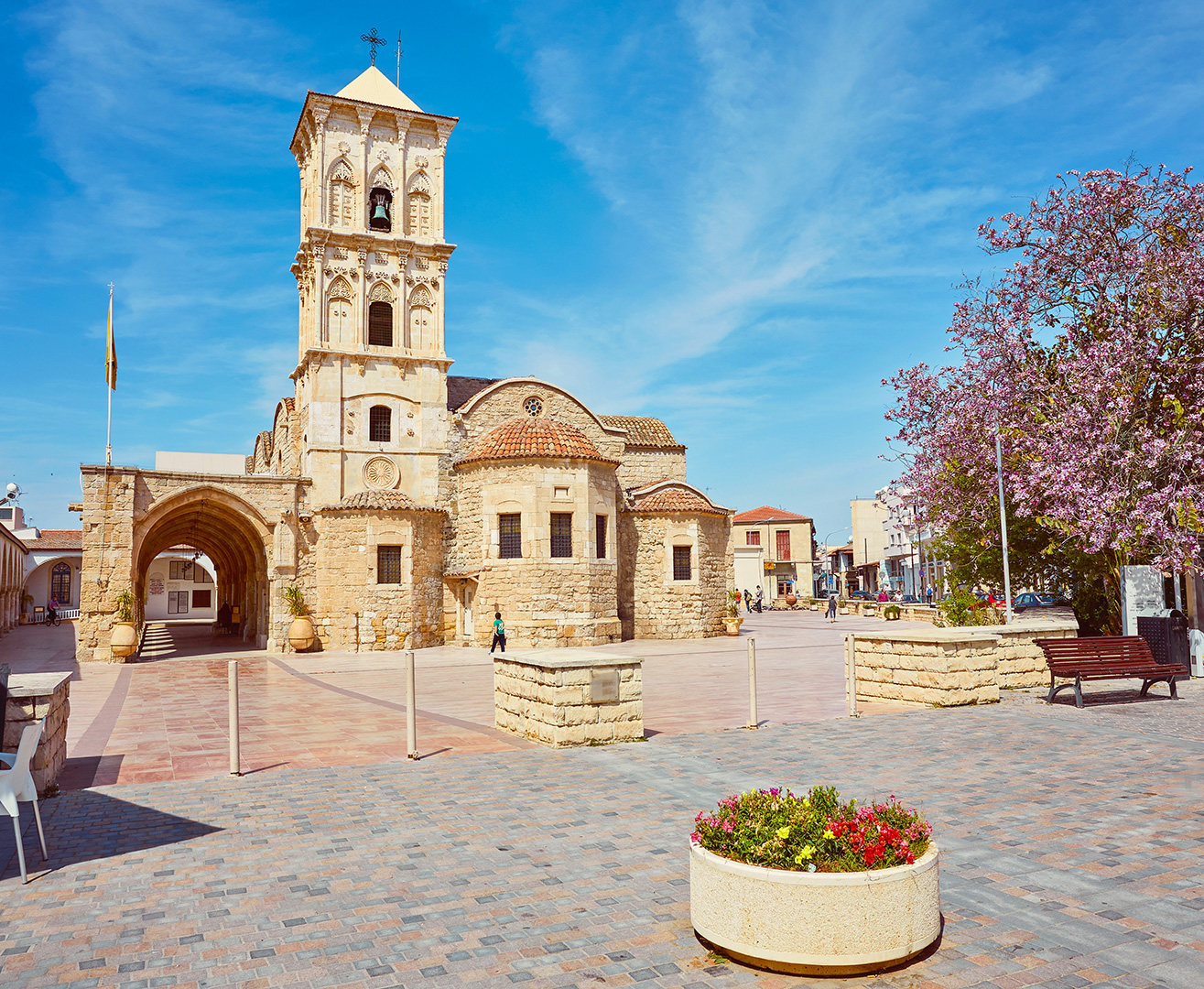
One of the most important Byzantine landmarks in Cyprus, Saint Lazarus Church stands in the heart of Larnaca and is built over the tomb of Saint Lazarus, who came to Cyprus after being resurrected by Jesus Christ. Built in the 9th century by Byzantine Emperor Leo VI, the church is admired for its impressive stone architecture, rich history, and beautifully carved gold iconostasis.
A significant religious and cultural site, the church remains an important symbol of Larnaca and hosts the traditional Saint Lazarus procession each year before Easter. Next to the church, visitors can also explore the Byzantine Museum, home to a collection of religious icons and artifacts.
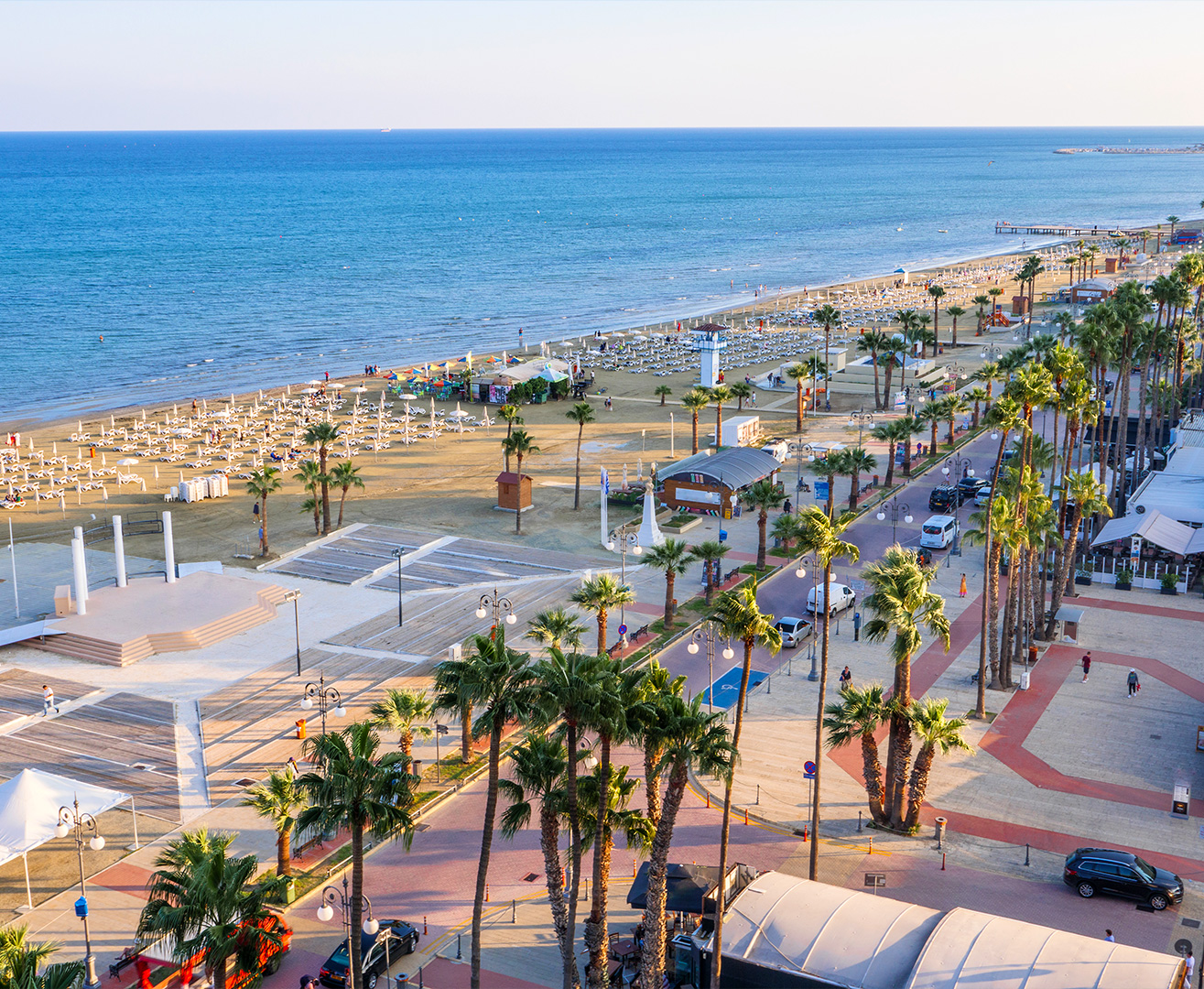
The iconic Finikoudes Promenade is the heart of Larnaca’s seafront life. Lined with tall palm trees and stretching alongside the sandy Finikoudes Beach, it is one of the city’s most vibrant and popular destinations for both locals and visitors.
The promenade is filled with cafés, restaurants, shops, bars, and beachfront attractions, creating a lively atmosphere throughout the day and night. Whether you’re enjoying a seaside walk, relaxing by the beach, dining with sea views, or exploring nearby landmarks and museums, Finikoudes offers the perfect blend of relaxation, entertainment, and city energy.
Boat trips and excursions also depart from the nearby marina, making the area an ideal starting point for discovering more of Larnaca’s coastline.

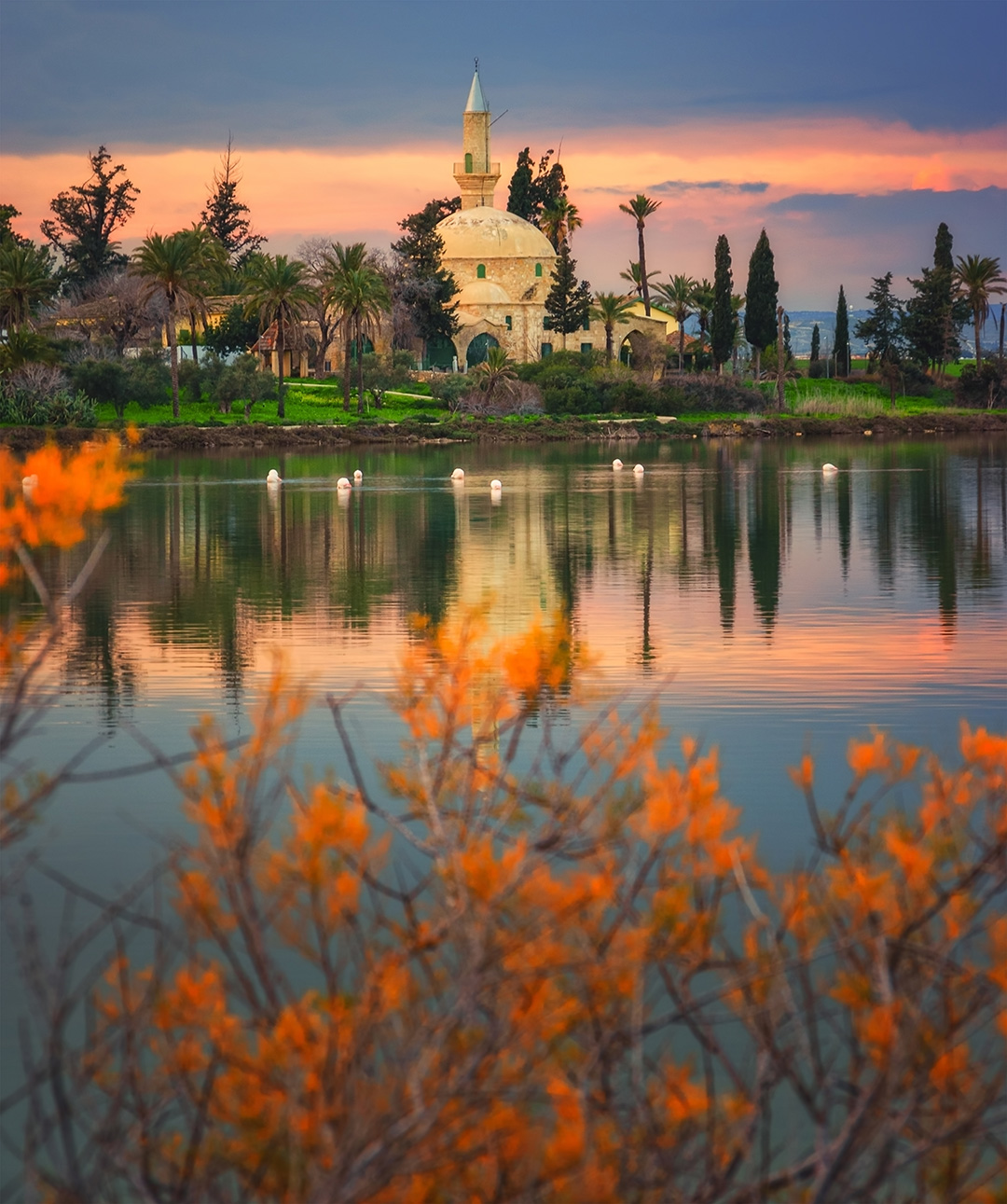
One of Larnaca’s most unique natural landmarks, the Larnaca Salt Lake is a protected wetland known for its beautiful scenery, wildlife, and seasonal flamingos. Located near Larnaca International Airport, the lake is one of the most important natural habitats in Cyprus and offers peaceful walking paths with stunning views throughout the year.
Beside the lake stands the historic Hala Sultan Tekke Mosque, one of the most significant Islamic landmarks in Cyprus. Built in the 18th century, the mosque is believed to rest on the tomb of Umm Haram, the foster-mother of the Prophet Mohammed. Surrounded by palm trees and overlooking the lake, the site combines natural beauty with cultural and religious history, making it one of the most visited attractions in Larnaca.
The Zenobia Wreck is one of the most famous dive sites in the world and a unique attraction off the coast of Larnaca. Sunk in 1980 during its maiden voyage, the Swedish cargo ferry now rests beneath the sea and has become a fascinating underwater destination for divers from around the globe.
For certified divers, the wreck offers an unforgettable experience filled with marine life, submerged cargo, and impressive underwater views. Visitors who prefer to stay above the surface can still explore the site through glass-bottom boat tours departing from Larnaca Marina.
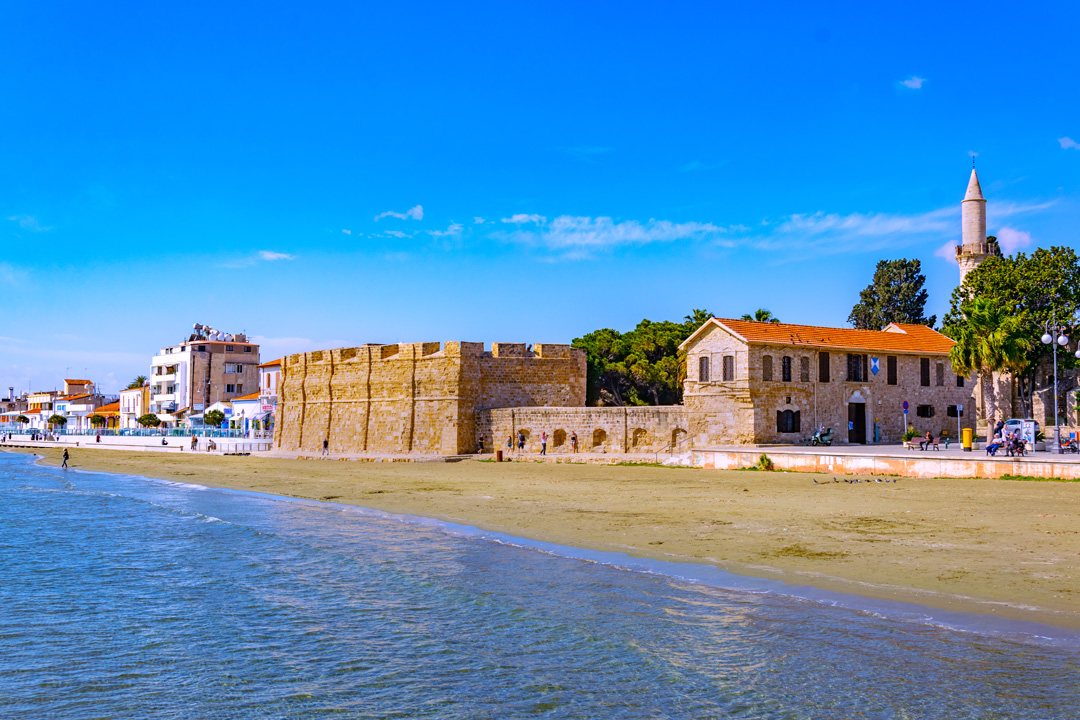
Located at the edge of Finikoudes Promenade, Larnaca Medieval Castle is one of the city’s most historic landmarks. Originally built during the Byzantine era and later expanded under Lusignan and Ottoman rule, the castle once protected the harbour and played an important role in the city’s history.
Today, visitors can explore its stone architecture, inner courtyard, and small museum while enjoying views of the seafront and nearby old town.
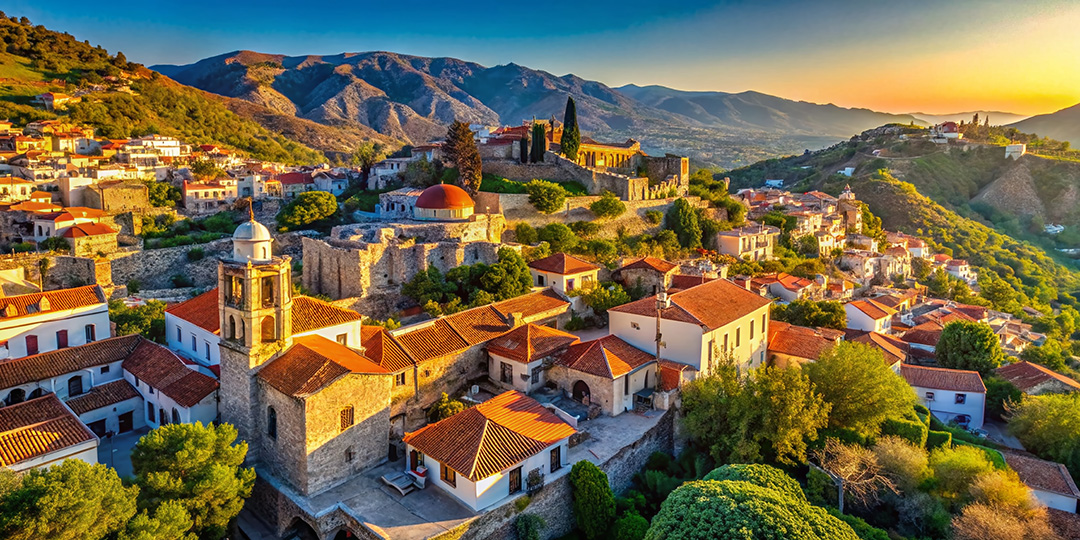
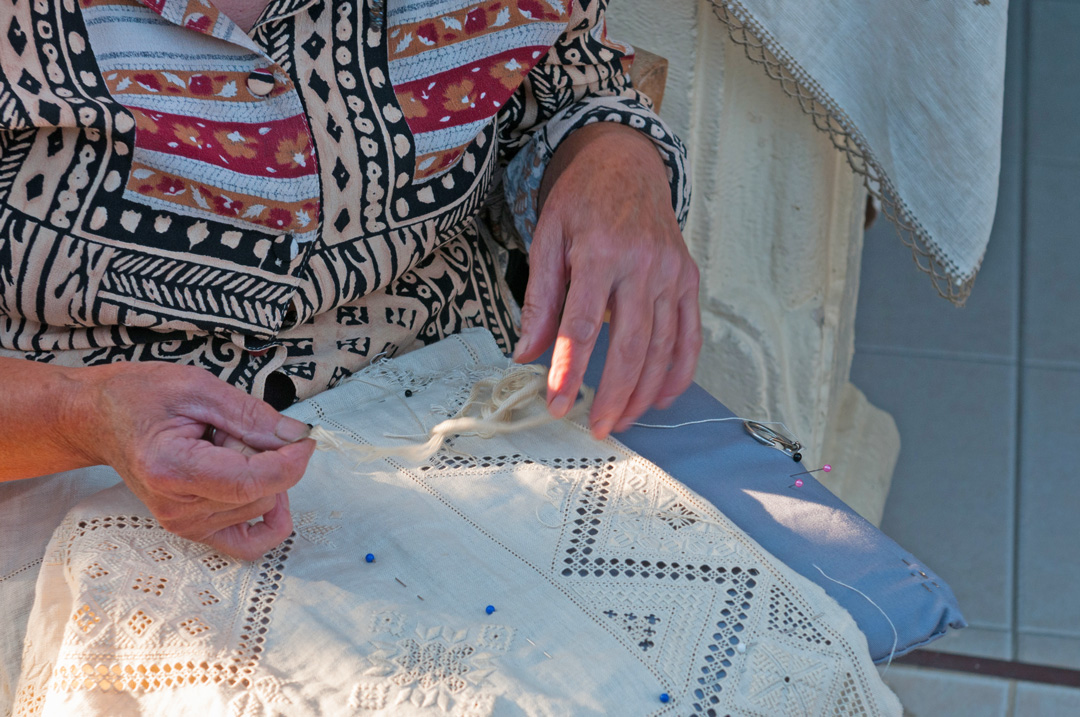
Beyond the city centre, the traditional villages surrounding Larnaca offer a glimpse into authentic Cypriot life. Villages such as Lefkara, Tochni, Vavla, Kato Drys, Skarinou, and Kalavasos are known for their stone-built houses, narrow streets, local crafts, and warm hospitality.
These peaceful countryside destinations are perfect for day trips, traditional dining, cultural experiences, and discovering the slower rhythm of rural Cyprus.
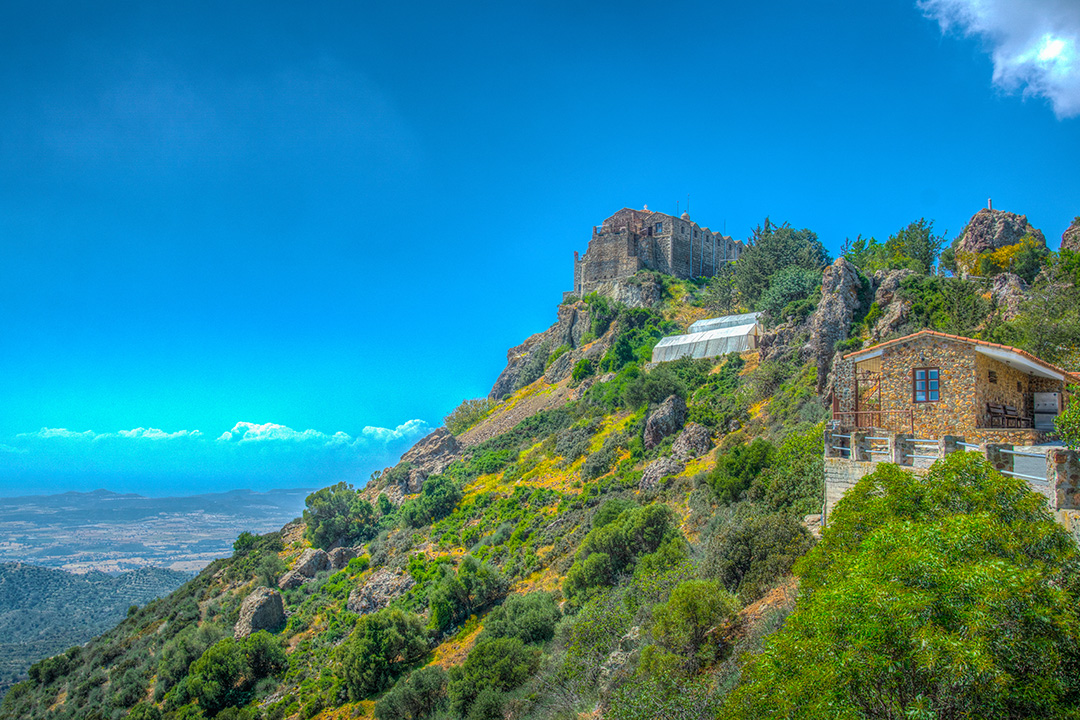
Perched on a mountain peak overlooking Larnaca, Stavrovouni Monastery is one of the oldest and most significant monasteries in Cyprus. Founded in 330 A.D. by Saint Helen, the monastery is dedicated to the Holy Cross and is believed to house a sacred relic from the cross of Jesus Christ.
The monastery offers breathtaking panoramic views and a deeply spiritual atmosphere, attracting visitors from around the world. Due to its religious traditions, entry is permitted to men only.
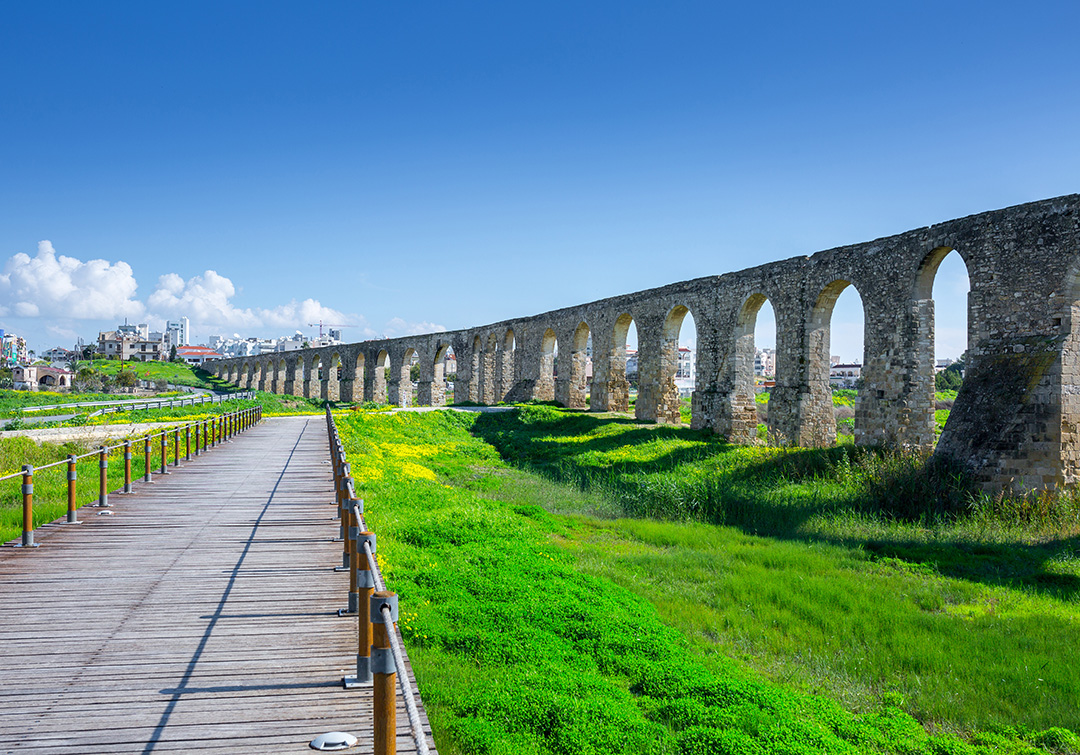
The Kamares Aqueduct, also known as the Larnaca Old Aqueduct, is one of the city’s most impressive historical landmarks. Originally developed during the Roman era and later rebuilt by the Ottomans in the 18th century, the aqueduct once supplied water to Larnaca from the Tremithos River.
Its elegant stone arches remain a distinctive symbol of the city and are beautifully illuminated in the evenings.
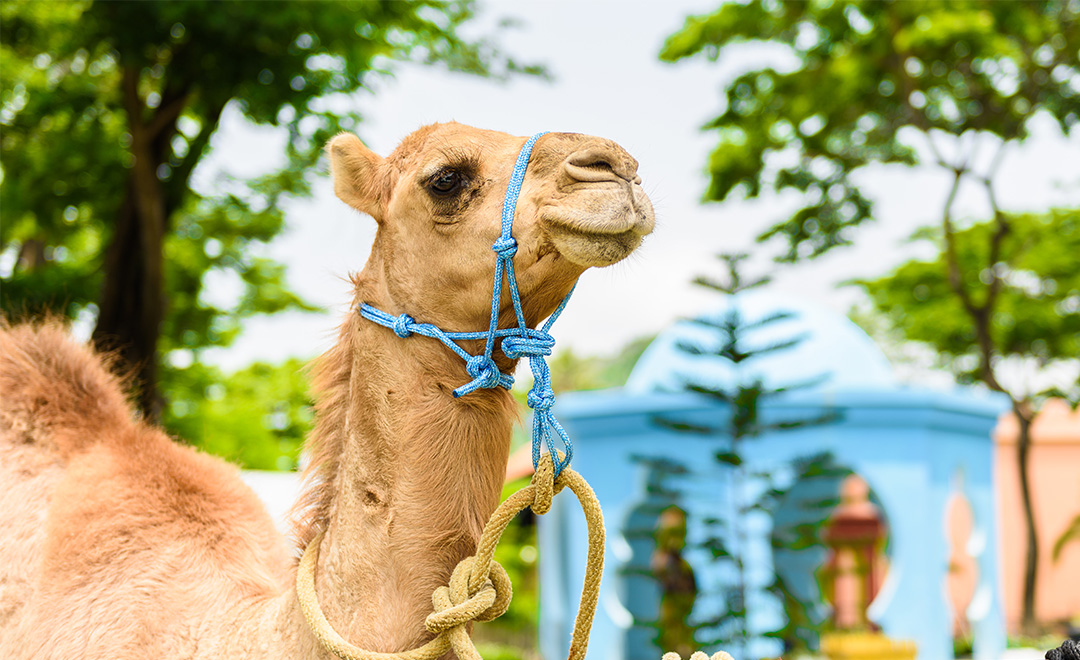
Located just outside Larnaca, Mazotos Camel Park is a popular family-friendly attraction offering fun activities and animal experiences for all ages. Alongside camels, visitors can see a variety of animals including ponies, deer, llamas, birds, turtles, and kangaroos.
With play areas, open spaces, and interactive experiences, the park is an ideal day trip for families visiting the area.
For more information about local attractions, excursions, and experiences, please get in touch with our hotel staff, who will be happy to assist you with recommendations and arrangements.